A SQUAMISH YOU CAN AFFORD
We’re building a Squamish that works for everyone.
A town that listens to its people and takes action to meet their needs.
Are you with us?
VISION FOR SQUAMISH
We’re building a Squamish that is
Affordable
Accessible
Accountable
now and for generations to come
Why Sean?
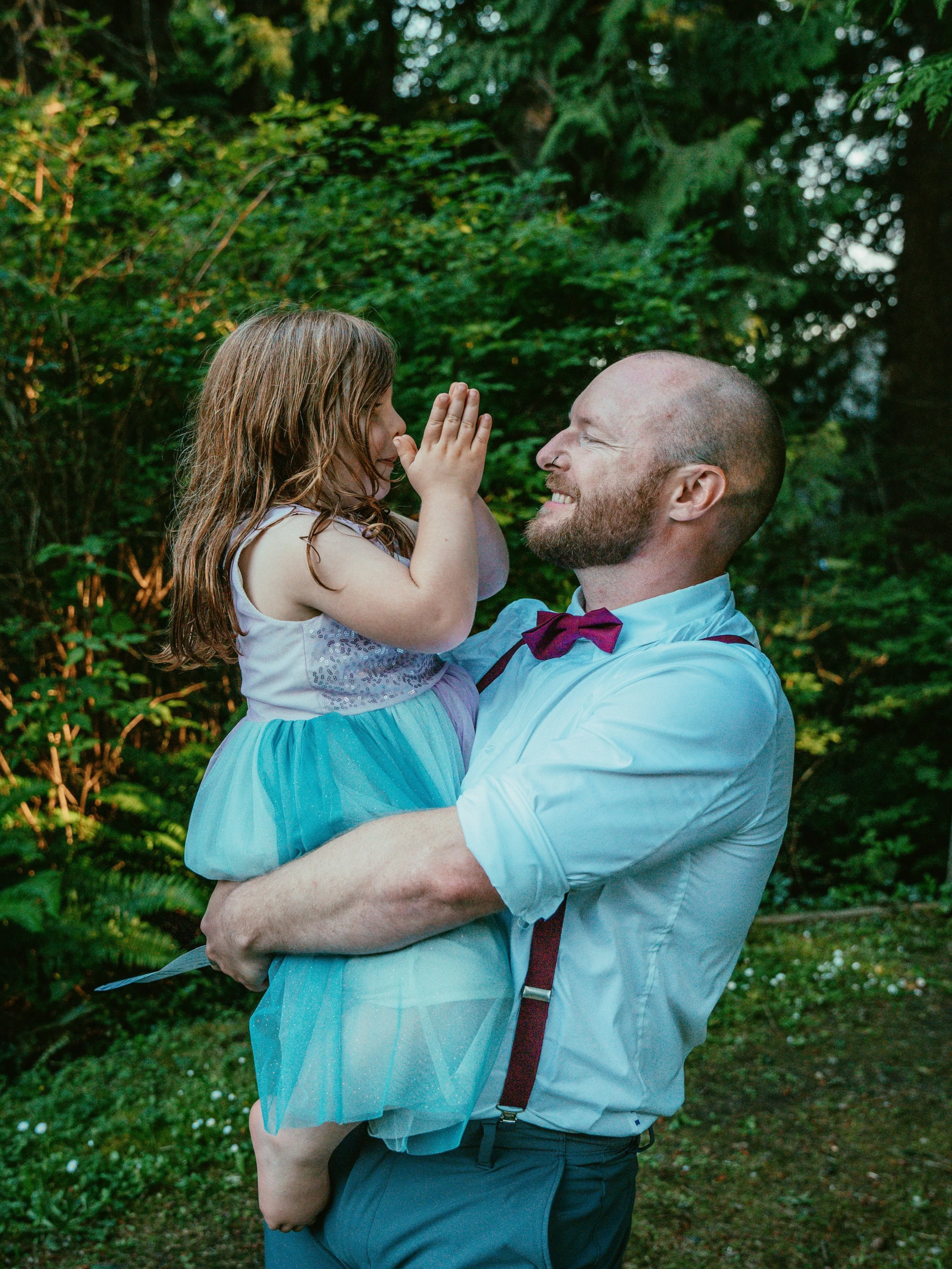
A Squamish resident since 2011, Sean came for the adventure and stayed for the community.
He’s an expert at bringing people together to take on complex challenges and make real change.
And now, he’s taking on the challenge of making Squamish work for everyone.
Events
-
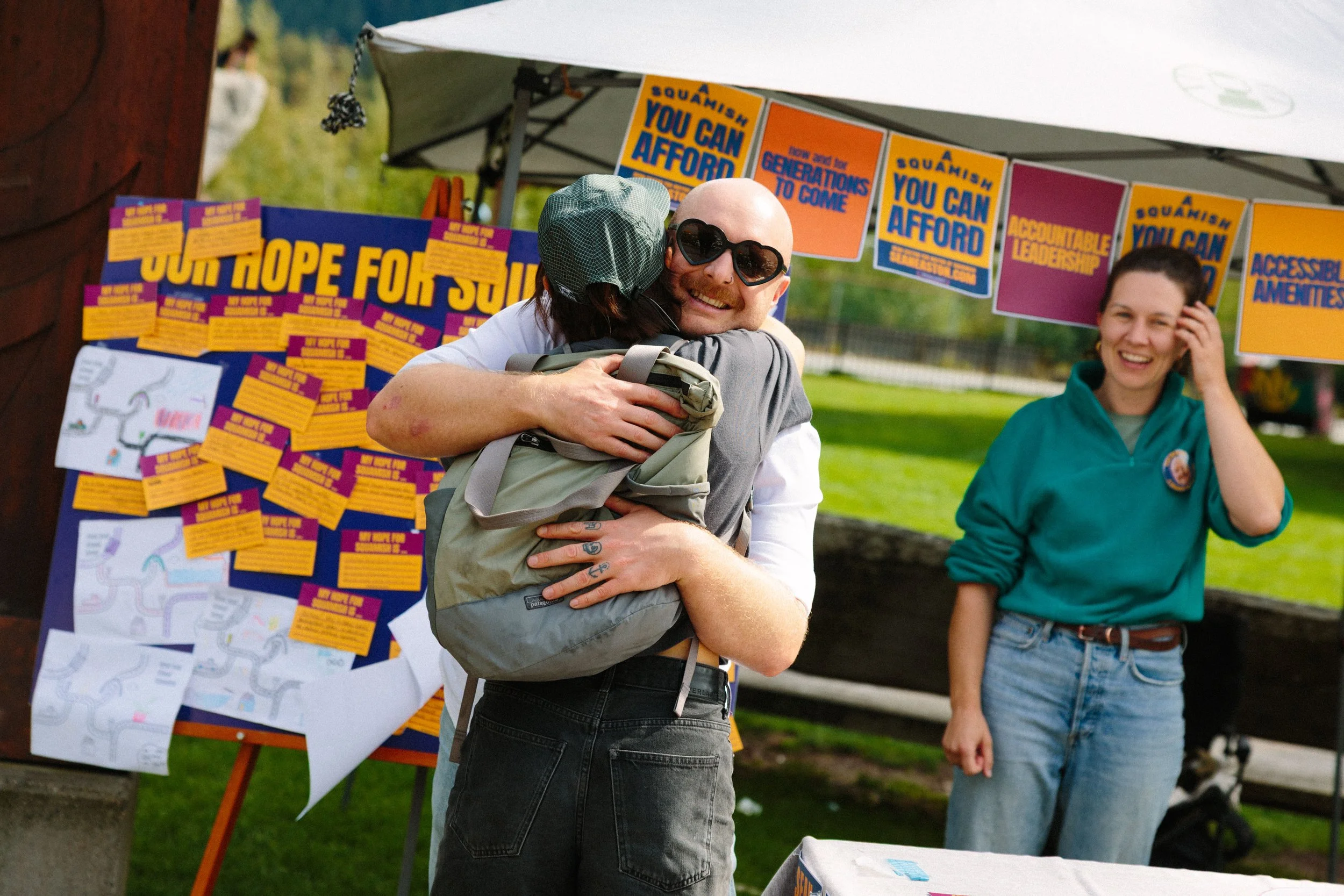
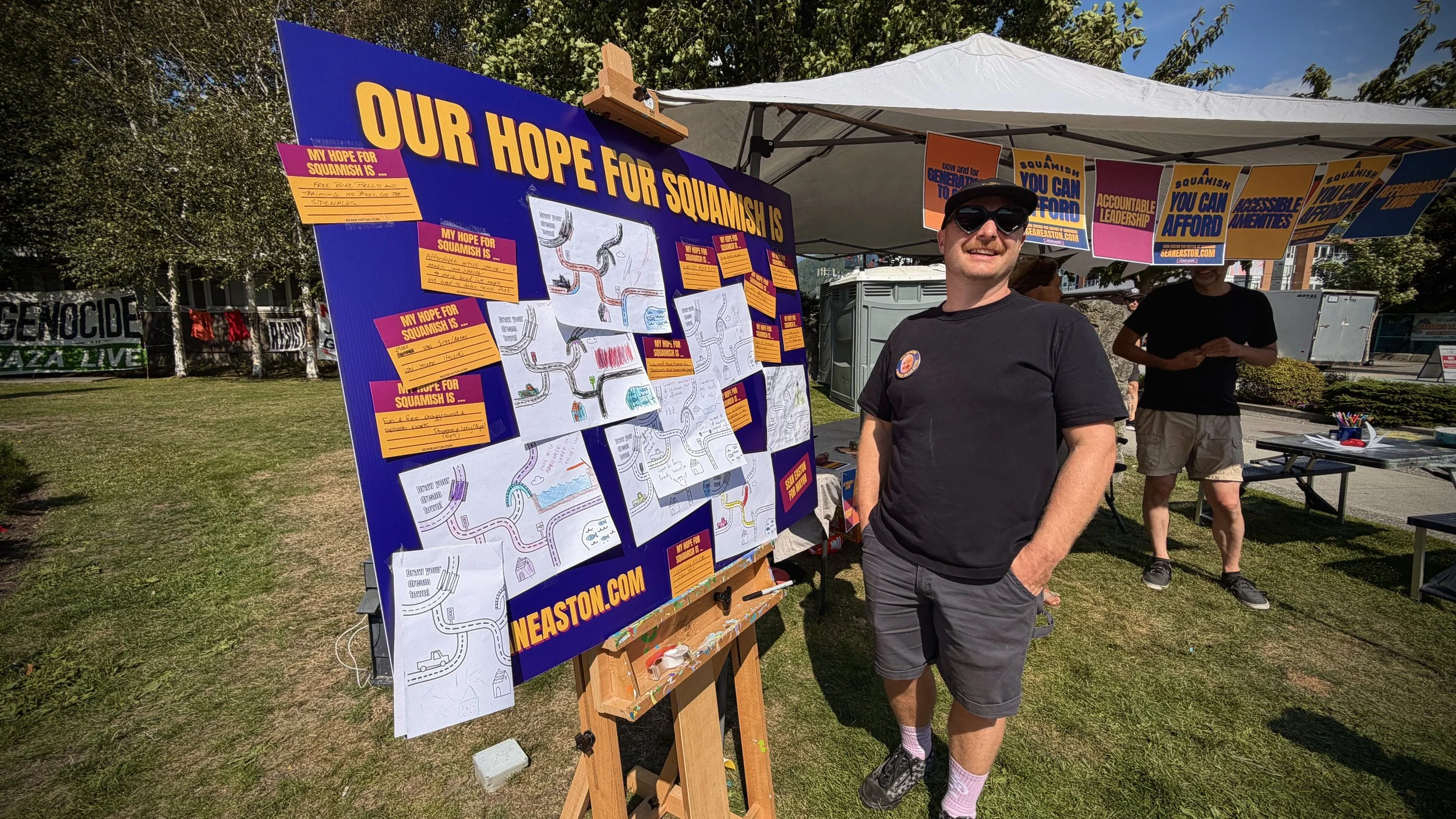
![A photograph of Sean smiling and hugging someone who has their back to the camera. He is standing in front of a tent and poster with brightly coloured campaign material. Slogans say "A Squamish You Can Afford" and "Our Hope for Squamish"]()
Meet Sean at the Park
Date: Every Saturday - September 19 - October 10
Time: 10am - 2pm
Location: Junction Park
Stop by Junction Park, right by the Farmers Market, to meet Sean and is team, ask him questions, and share your ideas, concerns, and hopes for Squamish.
-
![]()
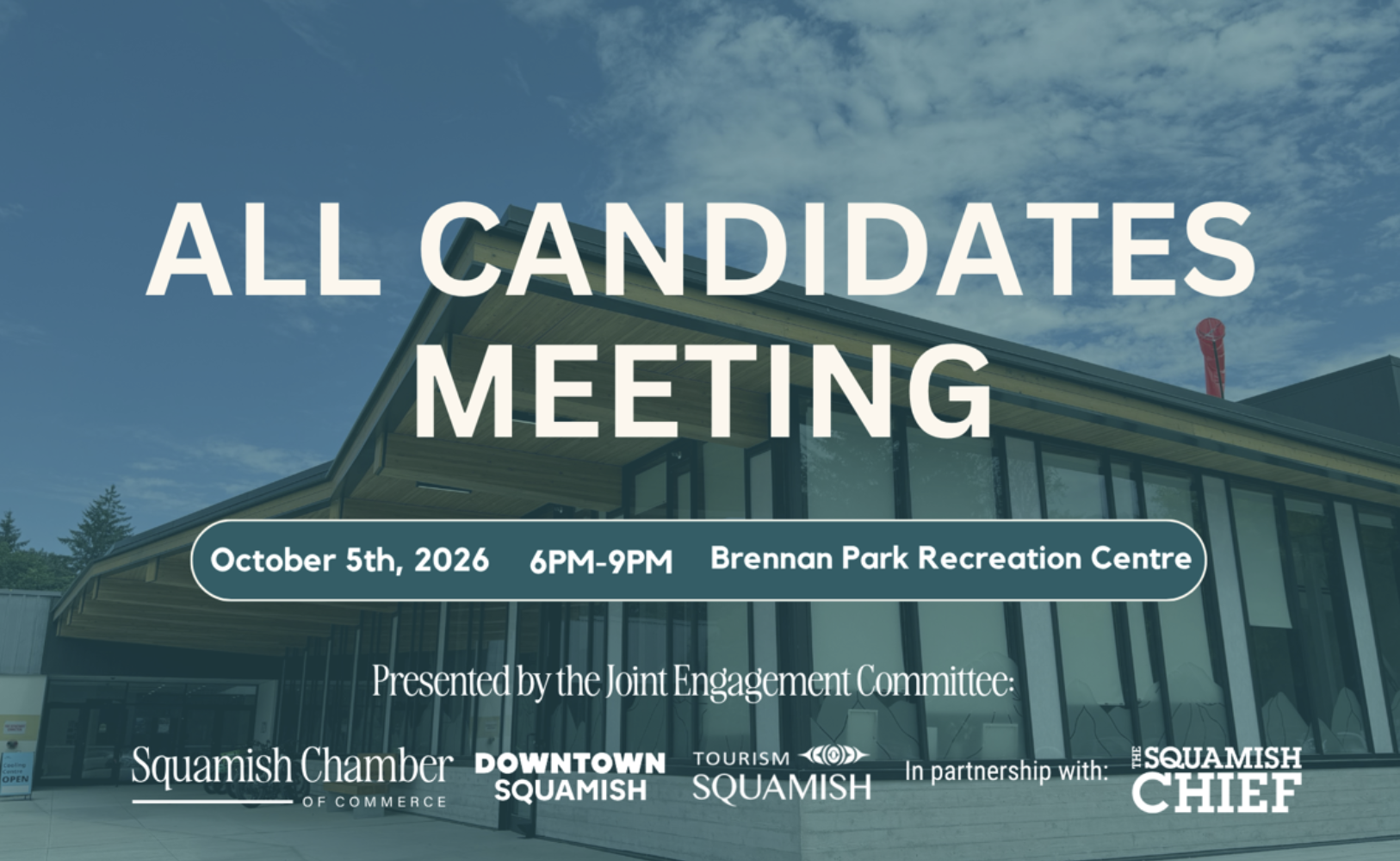
All Candidates Meeting
Date: Monday October 5
Time: 6 - 9pm
Location: Don Ross Secondary School
Join Sean and other candidates for Mayor and Council at Brennan Park to hear about their priorities and vision for Squamish.
-
![A banner describing the details of the All Candidates Meeting hosted by Westwinds on October 26]()
All Candidates Meeting Hosted by Westwinds Senior Living
Date: Tuesday October 6
Time: 3:00 - 5:00 pm
Location: Westwinds Senior Living
Hear from Sean and other candidates for Mayor and Council about how they’ll tackle the challenges facing seniors and their families.
-
![The banner image for Apres Five, hosted by ARIS Development and NexGen Training]()
Après Five
Date: Wednesday October 7
Time: 5.00 - 7pm
Location: Howe Sound Brewing
Sean will be attending this month’s Après Five event to connect with local business leaders ahead of the election. See you there!
-
![A banner advert for the All Candidates Quiz Night hosted by OurSquamish]()
All Candidates Quiz Night
Date: Thursday October 8
Time: 5.45 - 9pm
Location: Brackendale Art Gallery
A fun and casual evening with municipal candidates ahead of the election. Candidates Quiz Night will feature Mayor and Council candidates answering quiz-style questions about key local issues, Squamish trivia, audience-submitted questions, and more.


In The News
-
A Letter To Our Future Leaders: How I'll Lead As Mayor
-
Opinion: Squamish Should Vote No on the Proposed Woodfibre LNG Deal
-
Opinion: What Would Resident-Centered Governance Look Like?
-

Sean announces run for Squamish Mayor
FAQs
We’ve been asked some great questions by community members over the last few months. Here’s Sean’s responses to some of the most common questions about his vision for Squamish.
Housing & Affordability
-
Squamish has grown enormously over the last decade, and we're still feeling the growing pains. There are many reasons for the growth: our incredible natural environment, our healthy outdoor lifestyle, and our proximity to Vancouver. Not all of it is in our control. If so many of us want to live here despite the challenges, it's no surprise that others do too.
But local government is responsible for delivering services and infrastructure that meet the town's needs, and many of our growing pains are worse because we've fallen far behind.
So we need to slow down and catch up before any significant growth. We need to shift from approving new housing developments just to hit provincial housing numbers and start investing in infrastructure and amenities for the people who live here now, while protecting our natural environment.
The biggest issues people have raised with me are parking, access to downtown, recreation facilities (including Brennan Park), and access to health and social care, especially for seniors. Local government resources should go toward these issues before we have a conversation about more significant growth. We should be approving developments that directly help to meet stated community priorities. Funds and contributions made from these developments must directly improve the quality of life for Squamish residents.
-
I'm a youth worker by trade. I got involved in the housing sector 10 years ago, when I became Co-Executive Director at Zero Ceiling, a youth housing program in Whistler. In that role, I've grown our supportive housing for young adults, along with our recreation and employment programs.
Around the same time, I built the Heart House with my brother. It was our solution to our own family's housing crisis, and it still houses both of our families today.
Together, these experiences made me want to deliver affordable housing on a larger scale. I was a director of Whistler Valley Housing Society while it planned a new social housing building in Whistler. For the past few years, I've volunteered alongside my brother and other collaborators to build DWIFT Housing Society.
DWIFT is a non-profit that is working deliver affordable ownership homes in Squamish. We build well-designed, efficient houses in partnership with local contractors and sell them at cost to local residents. Unlike private developers, we take no profit beyond what it costs to operate, and we pass the savings directly on to residents. DWIFT is currently purchasing land for our first affordable housing community.
Some people have asked if I'm a private housing developer. I'm not. Aside from my own home, I've never been part of a private housing development or sold property for profit. I want other families to have what I have: an affordable home in Squamish where I can raise my daughter and be supported by the community.
-
For the last seven years, Squamish has tried to address housing affordability from the supply side. Led by provincial policy, the District has worked to deliver as many units as possible, believing this would bring prices down. But since 2019, house prices have skyrocketed while many locals feel no closer to owning a home. Even as growth slows this year, the "new normal" for Squamish house prices is far out of reach for most families.
That approach has made a false promise, and we need to change course. The provincial government has also pulled back significantly on funding for housing development. We need a new approach that works more strategically with private developers to deliver what our town actually needs. That means:
Pausing approval of new development unless it meaningfully improves quality of life and affordability
Increase the proportion of affordable units that developers must provide to the DOS.
Speeding up approvals and permitting for developments that deliver these benefits to residents
Updating the Squamish Housing Action Plan to hold us accountable to affordability targets, not just unit numbers to ensure we are delivering affordability
Ensure all new developments contribute community amenity contributions that benefit all Squamish residents.
Bring resident-restricted, affordable home-ownership to Squamish, similar to the WHA model in Whistler
Leverage federal government housing financing to deliver innovative housing solutions to Squamish
-
Yes. Vehicle resident permits used in other communities have helped meet the needs of a variety of residents. Housed residents – as well as those living in vehicles – want a safe place to call home, where they can benefit from their right to quiet enjoyment. We could better meet all groups’ needs.
It’s important that we respect people’s right to have agency over their living circumstances, while also ensuring that they are not trespassing on other community members’ rights for the same. A permit system, that should be built with those most impacted by this issue, would help ensure that all stakeholders’ needs are met.The Vehicle Residents of Squamish (VRS) advocacy group shared with me that they are willing to partner with the DOS to develop a permit system, but currently the DOS is largely using bylaw enforcement to manage the issue. They felt that this was placing undue hardship on them, while a number of homeowners and renters felt that the issue is getting worse despite the enforcement approach.
A permit system would create clear expectations for behaviour as well as details on how it will be enforced. Any system should be accompanied with education and clear communication on the District’s website. Permit fees would pay for the cost to administer the program.
-
When I got my property tax bill this year, I didn’t want to pay it. Last year’s 12.8% increase – the highest in the province – is hard to justify. The same goes for 2027 (13%) and 2028 (12.9%).
Our taxes are going up, yet our amenities are still lacking. This month, the DOS announced they were cancelling swim lessons this fall and the pool is closing on Mondays. We’re paying more and getting less.
The DOS says that growth pays for growth – new development being necessary to pay for infrastructure and amenity updates. Squamish has doubled in size in the last 20 years – we still have the same hospital, long-term-care facility, recreation centre, and we are now the 2nd most expensive town in BC. Growth isn’t paying for growth, we are.
That’s why I’m freezing property tax increases for 2027, while working to improve services and amenities. Residents deserve better value for their tax dollars. I’ll use lean management principles and work with Council and staff to identify wasteful spending, simplify processes, remove duplicated work and review management structures. Frontline staff know where systems aren’t working - we’ll give them the support and authority to serve residents more effectively.
All proposed changes must pass a clear test: does it reduce costs while maintaining or improving services for residents? We’ll transparently publish savings and measure results, including wait times, access to services, and resident feedback.
Safety & Inclusion
-
Woodfibre LNG is here to stay, and local government's role is to make sure the development meets residents' needs. People have told me they're concerned about:
Health impacts of flaring and LNG production
Environmental impacts on air and water quality, especially around the Estuary
Lack of industry investment in our infrastructure and amenities
I called on the current leadership to reject the proposed deal, so that new leadership can start this relationship afresh. As Mayor, I will build a new working relationship with Woodfibre LNG, with clear shared expectations and accountability processes to make sure the project delivers for Squamish. My initial priorities would be to:
Install extensive air and water monitoring stations throughout the community to track potential impacts in real time
Broker a win-win deal so Woodfibre contributes fairly to municipal funds, in line with the project's scale and profitability
Partner with Woodfibre to deliver major capital projects, primarily a new recreation centre with a pool and a second sheet of ice
Work with local environmental groups and the Squamish Nation to proactively design solutions to potential environmental harms
If necessary, work with higher levels of government to hold Woodfibre to its operating agreement, particularly on any form of pollution
-
Accessibility is one of our three core commitments, alongside affordability and accountability. To me, that means the people who deal with these barriers every day need to be part of designing the solution, not just told about it once it's decided.
That means:
Making sure our municipal facilities and parking actually work for people with mobility needs, not just meet the minimum
Fixing the downtown parking problems that are already keeping people away, so everyone can get to the businesses and services they rely on
Holding developers accountable for building homes that meet real accessibility needs, and asking residents with those needs what that should look like
Investing in assisted living and seniors housing that's built around what people actually need, close to home
People shouldn't have to leave the town they love, or feel stuck in it, because we didn't build it with them in mind.
-
I have spent over a decade working with people who have experienced homelessness, and I firmly believe that homelessness is a systemic issue. The single biggest correlation with rates of homelessness is housing cost - and that is what we have seen happen in Squamish over the last five years.
I believe that everyone - those facing homelessness, and their neighbors - deserves a town that feels safe for them, and deserves a dignified life. And that is clearly not the case right now. An effective solution to the current challenges requires:
Working effectively with residents to identify an appropriate location for the Hearth and Home transitional housing project, leveraging earmarked provincial funding to effectively deliver improved safety for all
Expedite the Pioneer Way supportive housing project to create more permanent deeply affordable housing for those facing homelessness
Work effectively with all relevant stakeholders - social services, RCMP, bylaw - to ensure that all residents needs are met
To ensure safety, hold all residents accountable for local laws.
In the long-term, work to create affordable housing that aligns with local incomes so that homelessness is a rare and brief experience
-
I've spent my career in social services, including working closely with PearlSpace for many years, and I've seen firsthand what it takes to actually keep people safe, both from harm at home and in the community. I'm also a father raising a daughter in this town, and a proud feminist. I want her, and every woman, gender-diverse person, and child to live in a Squamish where they are safe from harm.
To address that in real terms, that means:
Bringing RCMP, bylaw, and social services together to collaborate effectively to respond to safety issues, including intimate partner violence and antisocial behaviour
Designing solutions alongside the women, families, and community organizations who understand what actually keeps people safe here, not assuming we already know
Backing that up with the partnerships and experience I've built over a decade in this sector, so we're not starting from scratch
Holding everyone accountable to local laws, while addressing the root causes that put people at risk in the first place
Every resident deserves to feel safe in their own community, and as Mayor I’ll make sure they do.
Leadership Approach
-
I don't think the current leadership style at the District is working for residents, and I'm ready to bring a new approach. I have more than a decade of experience as a community leader and non-profit Executive Director. I've led teams, designed programs, managed budgets, worked with all levels of government, and advocated for residents' needs. I also have extensive governance experience, both working with boards and as a director of two housing organizations: DWIFT Housing Society and, previously, Whistler Valley Housing Society.
That experience has given me a detailed critique of how our current systems are letting us down, and the skills to do things differently. Great leadership means listening to the people you serve, then using your resources efficiently to design creative solutions to their problems.
As a youth worker by trade, I've always stood up for people who get overlooked. After a career in the non-profit sector, I know how to make limited resources go a long way. And I'm not afraid to have hard conversations and make hard decisions: to bring affected stakeholders together, find common purpose, and lead others to act.
-
I see two major problems with how Squamish is governed, and both connect directly to my experience as a community leader.
First, government priorities are disconnected from the priorities of residents. I will deliver a new approach to community engagement that connects with residents in ways that are relevant to them, asking the right questions at the right times. Engagement should happen when residents can meaningfully affect a decision, not to validate a plan that's already made. It should also give residents the information and constraints they need to contribute.
In practice, that means partnering with businesses, community groups, non-profits, and advocacy groups to design solutions together. It means designing events and surveys that people actually want to attend, where they feel heard. And it means holding the entire District team, staff and Council, accountable for delivering solutions that meet residents' needs.
Second, I will address wasteful spending and harmful bureaucracy. As Mayor, I'll align staff, Council, and our partners around one clear purpose: serving the residents of Squamish, now and for generations to come. With that shared purpose, everyone's role is to use their position and resources to improve outcomes for residents.
The people delivering services on the ground will have the power to make meaningful decisions to improve them. I'll conduct a full review of slow, ineffective processes like building permits and business licences, so residents can act faster. I'll change how we work with partners and contractors so we only work with those who deliver on time and on budget. And wherever possible, the District will hire local businesses for key projects and services, investing in our economy.
-
I've been fortunate to work alongside many members of the Squamish Nation, as well as Indigenous people from many nations, throughout my career in community service, and those relationships have shaped how my approach to leadership and how I think about this partnership. My daughter attends St'a7mes School, a choice my family made so she could be more connected to Squamish culture and wisdom — and through that, I've seen firsthand the impact of Nation leadership on how we care for this land and our people.
As Mayor, I want to go beyond consultation to genuine, formalized shared decision-making on land use and environmental stewardship: not seeking input after decisions are already made, but designing solutions together from the start. The Squamish Nation has stewarded this land since time immemorial and holds knowledge about what it takes to protect our air, water, and environment that our District needs to be guided by, not simply informed by.
We're lucky to be neighbours and partners. My role as Mayor is to build a deep, trusting relationship with the Nation, grounded in a shared purpose and accountability: delivering a better quality of life for all residents of this land, now and for generations to come.
Infrastructure and Amenities
-
Squamish has grown enormously over the last decade, and we're still feeling the growing pains. There are many reasons for the growth: our incredible natural environment, our healthy outdoor lifestyle, and our proximity to Vancouver. Not all of it is in our control. If so many of us want to live here despite the challenges, it's no surprise that others do too.
But local government is responsible for delivering services and infrastructure that meet the town's needs, and many of our growing pains are worse because we've fallen far behind.
So we need to slow down and catch up before any significant growth. We need to shift from approving new housing developments just to hit provincial housing numbers and start investing in infrastructure and amenities for the people who live here now, while protecting our natural environment.
The biggest issues people have raised with me are parking, access to downtown, recreation facilities (including Brennan Park), and access to health and social care, especially for seniors. Local government resources should go toward these issues before we have a conversation about more significant growth. We should be approving developments that directly help to meet stated community priorities. Funds and contributions made from these developments must directly improve the quality of life for Squamish residents.
-
Parking problems are starting to drive people away from downtown, which hurts both our economy and our quality of life. The current approach isn't pragmatic. Squamish is spread out and our transit is limited, so it's not reasonable to expect everyone to drive downtown every time. Seniors, people with disabilities, and those with small children have raised this as a major issue.
We need infrastructure that fits the town we are, while planning for the future. That means:
Establishing a transportation standing committee that includes residents with diverse transport needs
Placing a moratorium on parking variances, so developers provide enough parking for their buildings.
Placing a moratorium on active transportation upgrades until more effective community engagement has taken place.
Identifying a location for a parkade.
Create resident parking passes for people who live and work downtown, so parking doesn't disrupt their lives
Partnering with BC Transit and the provincial government to establish an express bus down the highway every 15 minutes, making transit a more practical option
-
The community has communicated very clearly that Brennan Park is inadequate and that we need improved change rooms, an expanded pool, and a second sheet of ice. Our recreational amenities not keeping pace with the growth of our town is among the most cited frustrations that people bring up to me.
It is important to understand that the District is responsible for the revenue challenges we are facing. Residents are tired of hearing how the District has no money to meet their needs, while they see money being spent on items that do not make meaningful improvements to their lives. The Brennan Park renovations are a prime example. The District spent $21M – $3M over budget – on the project and did nothing to address the stated needs of our town.
How should we meet these needs? Now that Council has rejected the proposed deal with Woodfibre LNG, we have the opportunity to negotiate a new recreation centre. Industry moves through a boom-and-bust cycle and previously when it went bust, we saw the high paying jobs disappear and the tax base collapse. Getting a new recreation centre out of this deal would ensure we benefit from industry now and for future generations.
Don’t see your question here? Reach out to sean@seaneaston.com - and we’ll publish the most popular questions here.
Share Your Ideas
Our vision is your vision: we want to hear from you. What’s your dream for life in Squamish? What’s getting in the way?